Step into the story.
A souvenir from the walk
Version 1.1 · 23 October 2026. Five directions, one brand book. This one is the paper you put in a drawer.
The name
Sanpo is Japanese for an unhurried stroll: walking for the pleasure of it rather than to get somewhere. The name carries the zen feel of the brand and puts the walk at its centre. It is a word you can say on a street corner without raising your voice.
The walk is not the interval between two places. It is the thing itself.
A stroll. From 散 to scatter and 歩 to walk: walking without a destination, which is the whole product.
Rules of the name
Never “SANPO”, never “San Po”, never a camel case compromise. The word is quiet; setting it in capitals makes it shout.
No logo exists yet. Until the wordmark is drawn, the lock-up is set in type: name, full stop, slogan. Never a symbol, never an icon.
The full stop is part of the mark. It ends the name, which is also what a walk does.
Mission
We create walks in which the story comes first. The route exists to tell the story, and you experience the story by walking the route.
Vision
Stories don’t belong only in books, museums or on signs. We want people to experience them where they happened, at their own pace, with their phone as their guide.
Promise
Every walk tells a real story you won’t hear told this way anywhere else.
Stories are grounded in real places, people and events.
No generic tourist information, but a told story with character.
Every route is unique to the place where you walk.
Offering unique and authentic experiences to a digital native generation.
Stories written for one place, walked at your own pace, with the technology staying out of the way.
GPS-based podwalks: audio that starts where the story happens. Free, open and available.
The order
“How” and “what” are read off the brand book rather than quoted from it. Marked where they are.
The product follows the drive. It is not the starting point.
The digital native generation, split four ways
These are working hypotheses from the whiteboard session, not validated research. Each one still needs to be tested and sized; together they form the basis for the four personas.
What they share. Highly educated, roughly 20 to 50 years old, looking for quality and originality rather than mainstream tourist content.
GEO stands for generative engine optimisation: being found through AI search and assistants, alongside classic SEO.
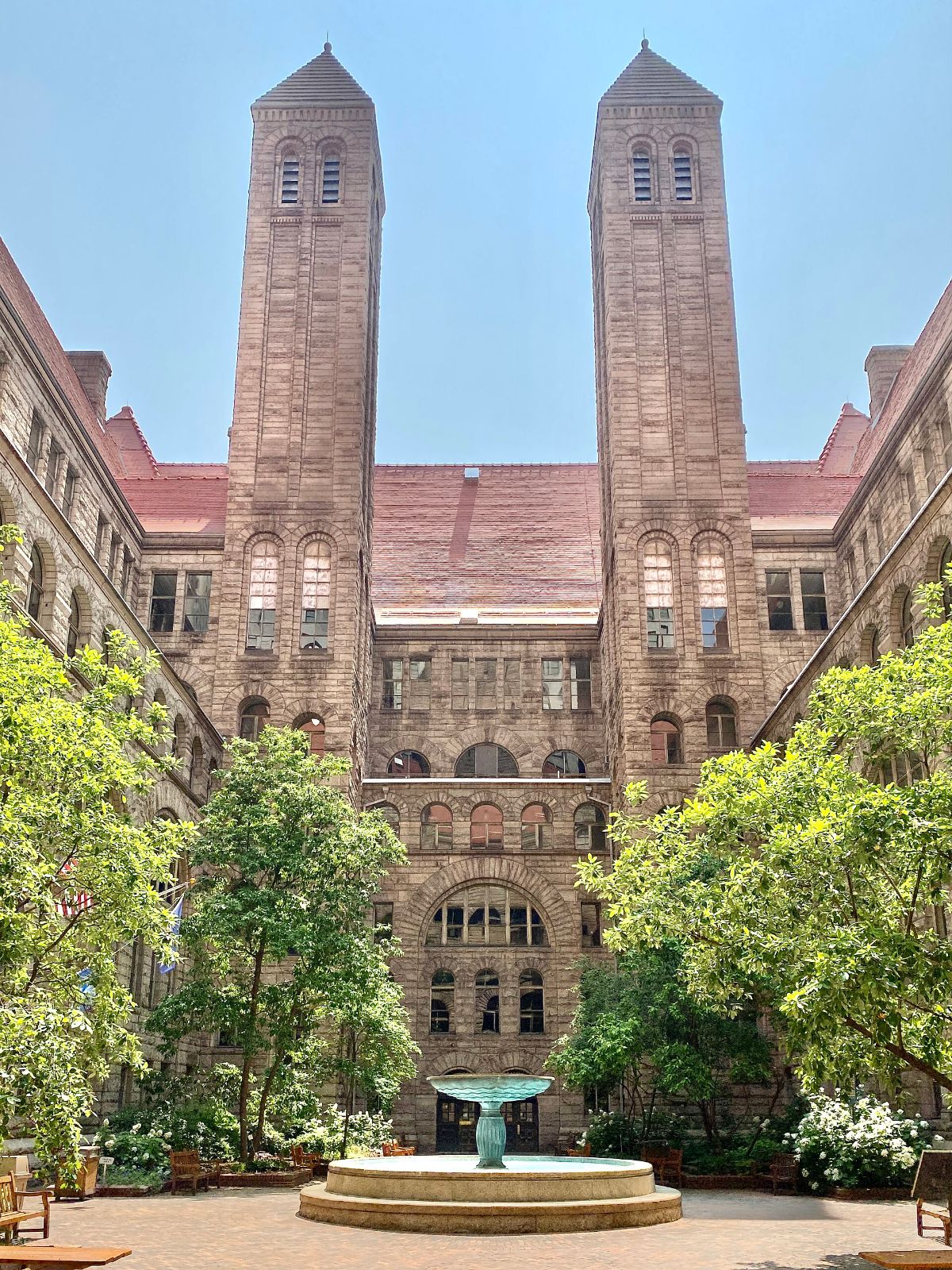
Travels to take a place in rather than to tick it off. Avoids the standard tourist circuit and wants content about a destination that they couldn’t have found in a guidebook. Fits the zen value and the meaning of the name most directly.
30–40, highly educated, above-average income
Instagram, travel blogs / Substack, GEO, short video, forums
Already listens to audio stories every day and judges them on production quality. For this segment the bar is the story and the sound, so the “creative” value and storytelling craft matter most. Podwalks are a natural next format for them.
25–50, highly educated
Podcasts, SEO/GEO, short video, forums
Has moved to a new city and wants to understand where they now live, beyond the practical. Learns by doing and experiencing, and shares that within the expat community, which makes this segment a potential channel for word of mouth.
28–40, high income, part of an expat community
Instagram, TikTok
The youngest segment, with a background in the humanities. Hungry for new and original stories and open to fiction as well as non-fiction, which raises the question of whether Sanpo should offer both.
20–35, highly educated, humanities background
Instagram, SEO, GEO, forums
Position
Not three features. Three positions that a competitor would have to give up something to copy.
The competition sells access. We give the walk away and ask for a coffee afterwards.
Anyone can walk any route, with no paywall or account. Those who want to can support us with a voluntary contribution (“Buy me a coffee”).
A good digital experience is not an afterthought: the app runs smoothly, feels intuitive and stays out of the way while you walk.
The stories are crafted with care, told in an original way and true to the facts.
How it works
Walking routes with audio stories that start automatically based on your GPS location.
One route, one story. No account, no paywall.
Tours and audio are fetched before you leave. Outside coverage is the normal case, not the exception.
You don’t need to look at your screen; the story guides you.
Story and surroundings come together: you hear about a place while standing in it.
Every stop can also be played by hand, for the times the fix is late or the phone is asleep.
Values
From story to interface. Each one has a failure mode named next to it.
We tell stories in a surprising, distinctive way.
Original angles, atmospheric storytelling
A dry list of dates
What we tell is real and accurate.
Real sources, local voices, an honest tone
Invented sensation, marketing speak
The experience offers calm and space.
Your own pace, little screen time, calm design
Push notifications, busy screens, hurry
The first visual direction, to be developed
Plenty of white space and few elements per screen.
A calm palette, for example natural, muted tones.
Simple, readable typography without busy decoration.
Photography of places and atmosphere rather than stock images of people.
Tone
Calm and narrative. Personal: we address the listener directly as “you”. Honest and free of exaggeration; the story can speak for itself.
Discover Barcelona’s best-kept secrets!
You’re standing where the market opened at five in the morning.
The second sentence gives you the place. The first one sells it.
Audio tour available now — book today!
Press play when you’re ready. The street will wait.
No urgency. The walk sets the pace, not the app.
300+ attractions, 5 languages, 4.8 stars
Five stops, one kilometre, no hurry.
Numbers that describe the walk, not numbers that impress.
The app
Every mockup shows the real demo tour: Nou Barris, 1.8 km, 5 stops.
The website
Laid on the page like a printed flyer. Curated audio walks that begin where the story happened.
Palette
Type
Rules
At most three paper objects per slide, rotated −2.5° to 2.5°, each with a real 1–2 px shadow.
Caveat for exactly three handwritten annotations in the whole deck.
One tape strip in the deck, used once.
No stickers, no washi tape on every slide, no fake handwriting everywhere, no cartoons, no confetti.
Open
Open questions from the brand book, plus what these five directions now make askable.
Sources
Content: Brandboek – Sanpo v1.1, Oct 23 2026.
Product truth: the Sanpo repository (tour data, GPS-triggered playback, iOS fallbacks).
Five directions: five readings of one open visual direction, not five finished identities.
Every mockup in this deck is a layout study. No logo has been designed yet; the wordmark is set in type throughout.
kept in a drawer —